

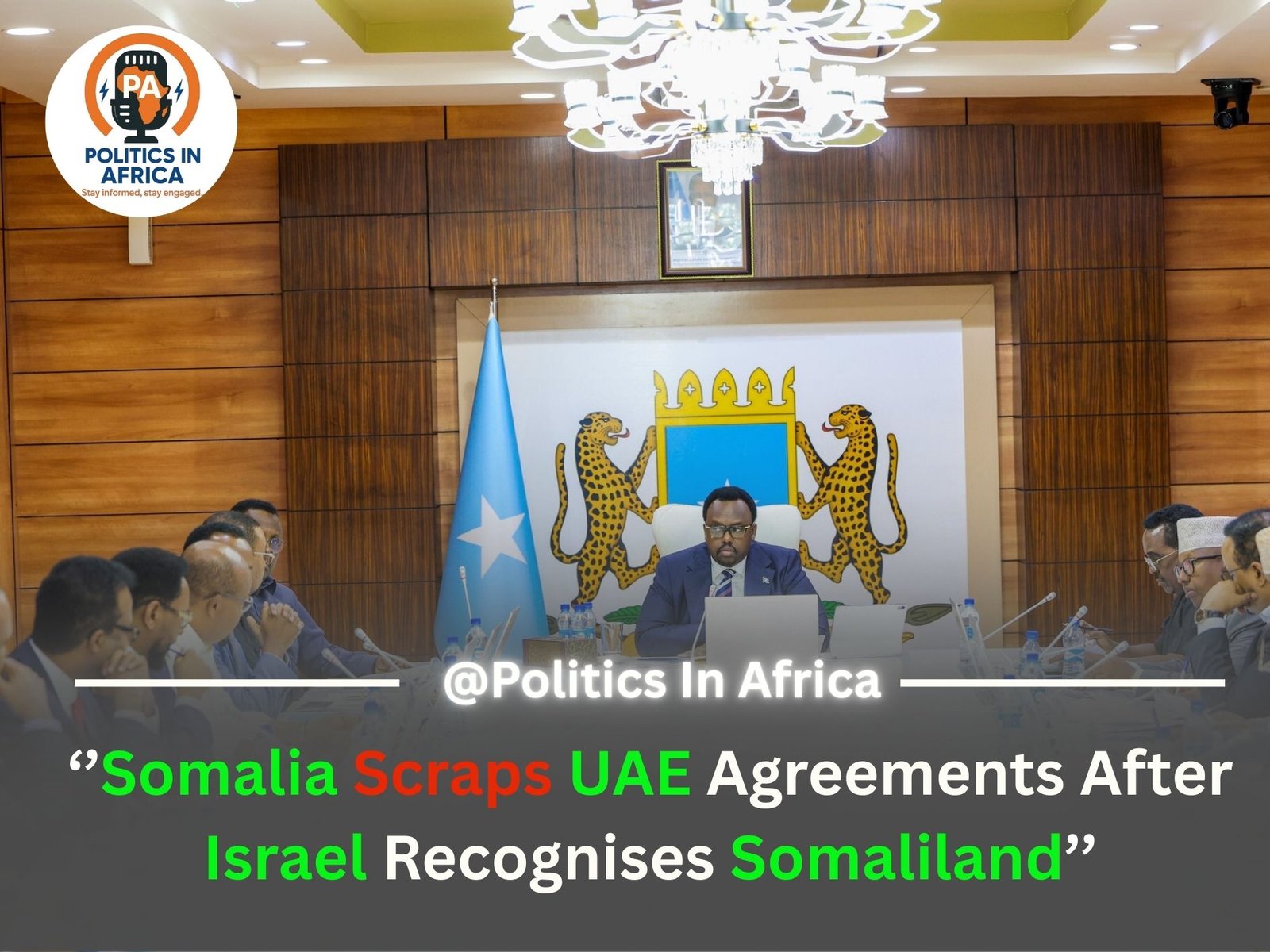

The Federal Cabinet of #Somalia has approved a decision to end all agreements with the United Arab Emirates, including critical defence and security cooperation accords that previously supported the Somali National Army (SNA) through funding, training, and logistics.
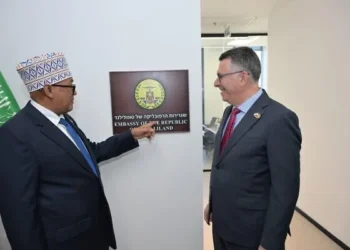
The move comes in the aftermath of Israel becoming the first country to officially recognise Somaliland on 26 December 2025. Mogadishu has accused the UAE of lobbying in support of Somaliland’s recognition, an allegation Abu Dhabi has not publicly confirmed or denied. Somali officials argue that the cancellation of agreements is a direct response to what they describe as violations of Somalia’s sovereignty.
In a sharp reversal of policy, the Somali government has now shifted its strategic alignment toward Turkey and Qatar. Government sources say Qatar will take over financing arms purchases and covering major military budget costs that were previously funded by the UAE, highlighting yet another abrupt realignment in Somalia’s external partnerships.
This decision fits a long-standing pattern of foreign-policy reversals that have repeatedly undermined Somalia’s credibility on the regional and international stage. In 2019, former president Mohamed Abdullahi Farmaajo cut all ties with the UAE and aligned closely with Qatar. However, after the 2022 election, President Hassan Sheikh Mohamud restored relations with the UAE, revived defence cooperation, and even signed new security and business agreements with Abu Dhabi.
A similar cycle was seen in relations with Kenya, when Farmaajo’s administration severed diplomatic ties and suspended miraa (khat) exports to Somalia. That policy was later reversed by Hassan Sheikh, who resumed trade and signed fresh agreements with Nairobi—only months after Farmaajo’s government collapsed.
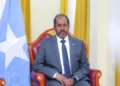
President Hassan Sheikh has now accused the UAE of actively backing Somaliland’s diplomatic push, particularly its recognition by Israel, using this claim to justify the termination of all UAE agreements. Critics argue that such sudden shifts reinforce the perception of Somalia as a weak and unreliable foreign-policy actor, discouraging long-term security cooperation and investment.
With defence funding once again redirected and alliances rapidly reshuffled, analysts warn that Somalia’s inconsistent diplomacy risks weakening the SNA, complicating counter-terrorism efforts, and further isolating Mogadishu in an already volatile Horn of Africa region